South Shore Harbour MUD7 2026 Directors Election

Hello everyone from your local MUD7 Board of Directors! 

We hope you are all doing well in 2026 and enjoying the wintery weather.  It is election time again and currently there are two positions up for election this year. Both current office holders have committed to running as incumbents. If you are interested in running for a Board position, please contact the District office or MUD 7 via the contact us link on this website.  All applications and paperwork must be filed with the District’s office no later than February 13, 2026. Also, please plan on attending the next Board meeting on February 10th (agenda posted on this website) If you are interested in running for a position. Please refer to https://www.sshmud7.org/elections/  on the District’s website for more information on the Election. Candidates must meet eligibility requirements which will be confirmed by our legal team.  Thank you for your interest and participation in our community.
 

South Shore Harbour MUD7 2026 Directors Election2026-02-04T18:10:23+00:00

Winter Freeze Preparedness 2026

With freezing temperatures right around the corner, it’s a good time to refresh ourselves on precautionary measures for drops in temperature and cold weather.

The Four P’s to Prepare your Home this Winter:

  • People
  • Pets
  • Pipes
  • Plants

People

  • Avoid going outside if it is not necessary. If you do, make sure you layer up from head to toe.
  • To keep you and your family safe, it is imperative your home is warm.
  • Make sure your heat is set to an appropriate temperature to make your entire home comfortable. Remember, heat rises so if you sleep upstairs, your room may be warmer than rooms downstairs.
  • If you use a fireplace, make sure you have a screen to catch any embers that might escape or a rolling log.
  • Never use your stove or oven to heat your home.
  • If you smell smoke or see flames, call 9-1-1 immediately.

Pets

  • While protecting your family, it is imperative to protect your pets as well.
  • Pets, like humans, are vulnerable to cold temperatures. If not taken care of properly, they can succumb to frostbite and even hypothermia.
  • If you have a dog that typically lives outdoors, consider letting them inside when temperatures drop to freezing. While their fur does help to keep them warm, it provides little help in freezing temperatures.
  • If you absolutely cannot bring them inside, make sure they have a warm shelter, plenty of food and fresh water so it does not freeze.
  • If your pet looks like it has any symptoms resembling frostbite or hypothermia, call your vet.

Pipes

  • Turn off the sprinkler system shut-off valve. Most residential devices have two shut-off valves. These are typically covered in blue on the valve handles and located before and after the sprinkler system backflow device. A diagram is shown below.
  • Release the water pressure from the bleeder valves. The bleeder valves are usually located under the top of the backflow device. If the water does not stop flowing you may have not shut the valves off completely.
  • Leave the smaller bleeder valve open, this will let any remaining water in the line expand without breaking the device. Insulate your backflow device. Most hardware/home services stores carry backflow insulation supplies.
  • Make sure to cover all your exposed pipes with a cover. You can also cover your pipes with towels, duct tape or another adhesive strip as long as they are wrapped tightly.
  • You can also open up the cabinets to let warm air circulate throughout your home. Just make sure any harmful chemicals are out of reach for children and pets.

Plants

  • When cold weather hits, it’s a good idea to bring in all of your outdoor plants.
  • If you can’t bring in the plant, cover it with a blanket to make sure they do not die.

Other Tips

  • Don’t forget to make sure your car is okay for the freezing temperatures. Check your anti-freeze and your batteries. Also make sure to check your tire pressure and the tread.
  • Speaking of cars, make sure when you are on the road that you are mindful parts of the roads may be frozen, particularly bridges. Do not speed and never slam on the brakes.
  • Make sure if you use a generator, it is outdoors. Do not use a generator inside, including in your garage.
Winter Freeze Preparedness 20262026-01-22T22:28:40+00:00

South Shore Harbour MUD No. 7 Updates December 2025

Greetings from your local MUD7 Board of Directors!

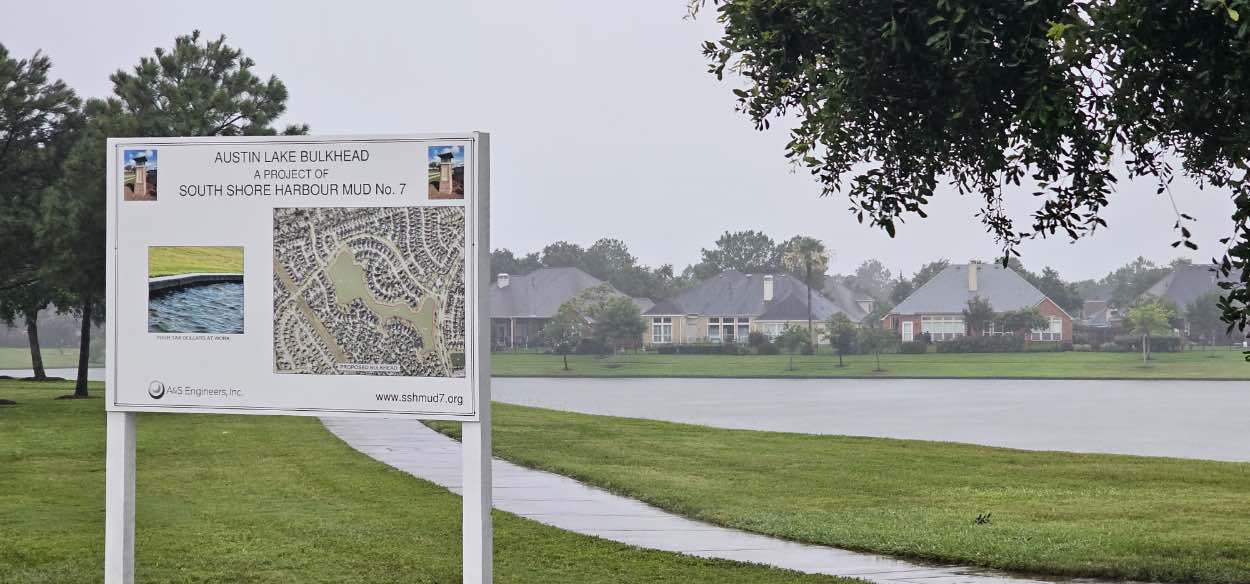
This past year has been a busy one for the board, finishing up the Austin Lake Bulkhead project, preparing for the Tucker Lake security project and working with the HOA Board to keep the property in great shape after the projects.  The MUD Board has budgeted $38k for landscaping projects for the HOA to complete to replace and enhance the trees and landscaping removed during construction.  We anticipate these projects to be completed in the spring of 2026.

Currently our final debt payment is scheduled to be paid on September 1, 2033, and the MUD7 District will begin the dissolution process subsequently.  In anticipation of this the MUD7 Board will meet at a reduced schedule in 2026.  We will continue to meet on the second Tuesday of the month at the South Shore Harbor Resort with a revised schedule.  We are currently planning to meet seven times next year to accommodate the election year, taxation requirements and the Tucker Lake project.  The MUD7 Board is currently scheduled to meet in January, February, March, May, August, September and December.

We will be posting another update regarding the Tucker Lake project soon, after the design process has been completed.

We wish you all a very Merry Christmas and Happy and Prosperous New Year and look forward to seeing everyone at a meeting soon in 2026!

South Shore Harbour MUD No. 7 Updates December 20252026-01-05T23:23:17+00:00

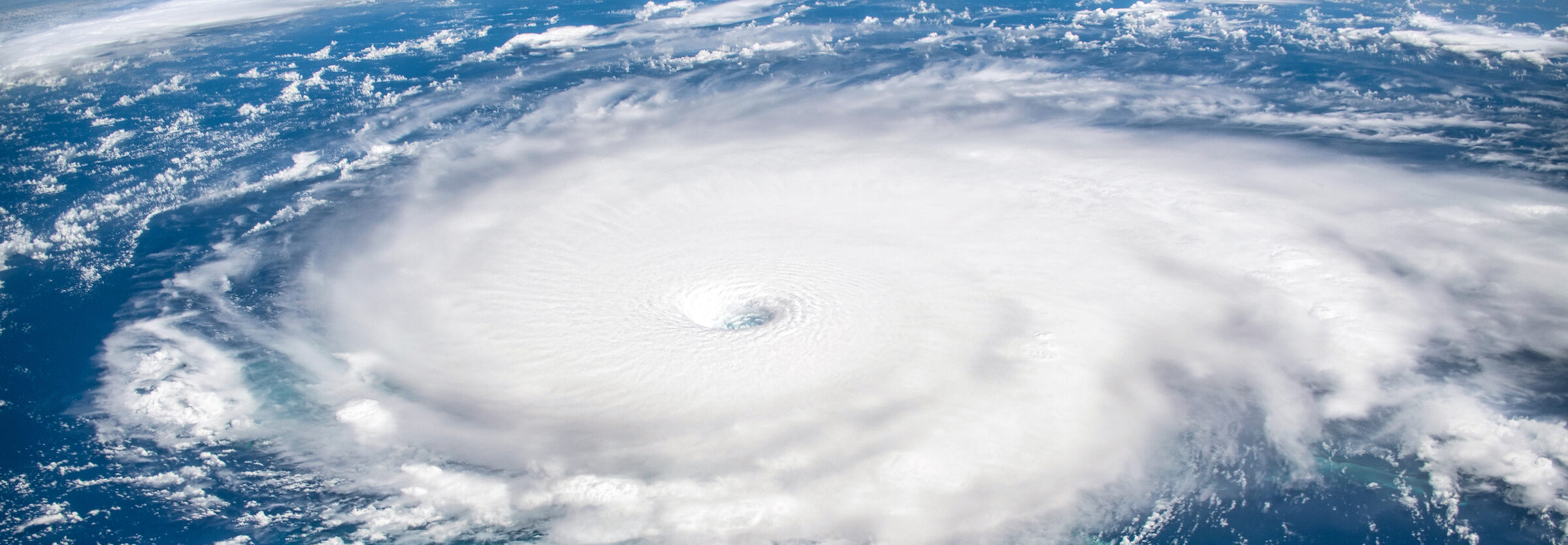
2025 Hurricane Preparedness

National Hurricane Preparedness 2025

Be ready for hurricane season. Today you can determine your personal hurricane risk, find out if you live in a hurricane evacuation zone, and review/update insurance policies. You can also make a list of items to replenish hurricane emergency supplies and start thinking about how you will prepare your home for the coming hurricane season. If you live in hurricane-prone areas, you are encouraged to complete these simple preparations before hurricane season begins on June 1.

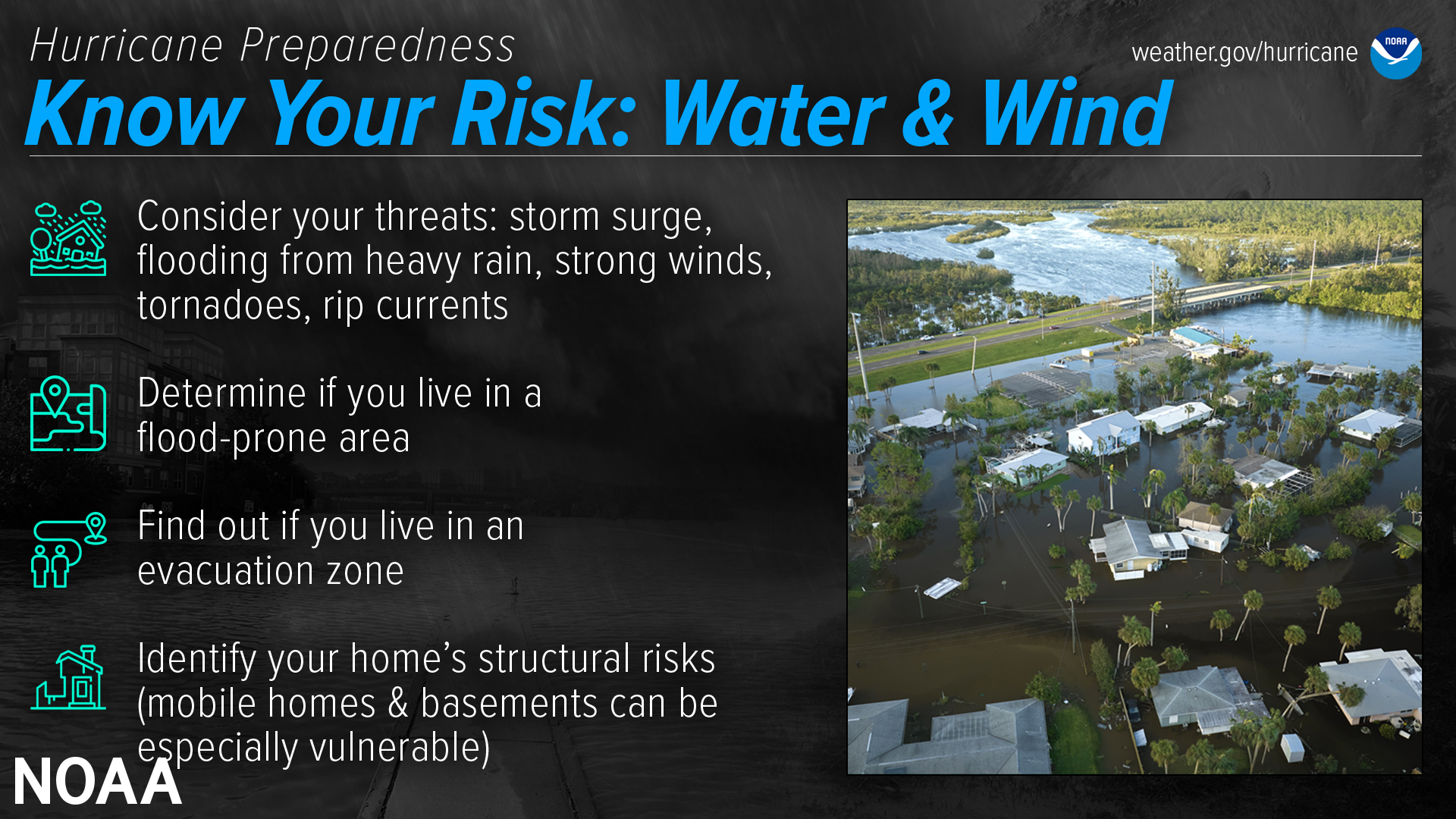
Find out today what types of wind and water hazards could happen where you live. Hurricanes are not just a coastal problem. Impacts from wind and water can be felt hundreds of miles inland, and significant impacts can occur regardless of the storm’s strength. Know if you live in an area prone to flooding, if you live in an evacuation zone, and identify any structural weaknesses in your home.

Consider Your Threats
While hurricanes pose the greatest threat to life and property, tropical storms and tropical depressions also can be devastating. The primary hazards from tropical cyclones (which include tropical depressions, tropical storms, and hurricanes) are storm surge flooding, inland flooding from heavy rains, destructive winds, tornadoes, and high surf and rip currents.

  • Storm surge is water that is pushed toward the shore by winds swirling around the storm, and historically has caused the largest loss of life in hurricanes. This rise in water level can cause severe flooding in coastal areas, which can submerge entire areas, cause structural damage to buildings, and wash out roads. Storm surge can travel several miles inland, especially along bays, rivers, and estuaries.
  • Flooding from the extreme amounts of rain a hurricane can bring has also proven to be very deadly, both over an extended period of time as well as very short-term flash flooding. Homes and businesses could flood, and flooded roads could make travel and evacuations difficult, as well as being a potentially deadly hazard to those in vehicles or on foot. Floodwaters can also contain harmful bacteria, chemicals, wildlife and other dangerous objects. Extreme rain from hurricanes can even flood areas that aren’t normally prone to flooding. Flooding can happen hundreds of miles inland, and can persist for several days after a storm.
  • Hurricane-force winds can cause damage to homes and other buildings, ranging from moderate to catastrophic depending on both wind speed and structural integrity. Wind damage can lead to large areas with power and communications outages, as well as uproot trees and make roads impassable due to debris. Signs, roofing material, and other items left outside can become flying missiles during hurricanes. Mobile homes are especially vulnerable to wind damage.
  • Hurricanes and tropical storms can also produce tornadoes. These tornadoes most often occur in thunderstorms embedded in rain bands well away from the center of the hurricane; however, they can also occur near the eyewall.
  • Waves from distant storms can produce deadly rip currents and rough surf on beaches very far away. Good weather at the beach itself does NOT mean the ocean is safe. Even storms more than 1,000 miles away can cause impacts.

Determine if you live in a flood-prone area
Anyone living in a flood-prone area is especially vulnerable to hurricane impacts. Find out today the flood risk for your area and plan accordingly. If you don’t live in a flood zone, that doesn’t necessarily mean you’re safe – extreme rain from hurricanes can bring floods even to areas that aren’t prone to flooding.

Find out if you live in an evacuation zone
Determine if you live in a storm surge evacuation zone. This can tell you about your vulnerability to storm surge, and will be imperative when it comes time to develop an evacuation plan.

Identify your home’s structural risks
Find out if your home has any weaknesses that could prove deadly in a hurricane. Are your exterior doors and garage door hurricane proof? Do you have storm shutters? Some aspects of your home can be strengthened to help withstand hurricane impacts, and some can not. Mobile homes are especially vulnerable to hurricane-force winds, and basements are especially vulnerable to storm surge and flooding.

Additional Resources:

The best time to prepare is before hurricane season begins. Avoid having to rush through potentially life-saving preparations by waiting until it’s too late. Get your disaster supplies while the shelves are still stocked, and get that insurance checkup early, as flood insurance requires a 30-day waiting period.

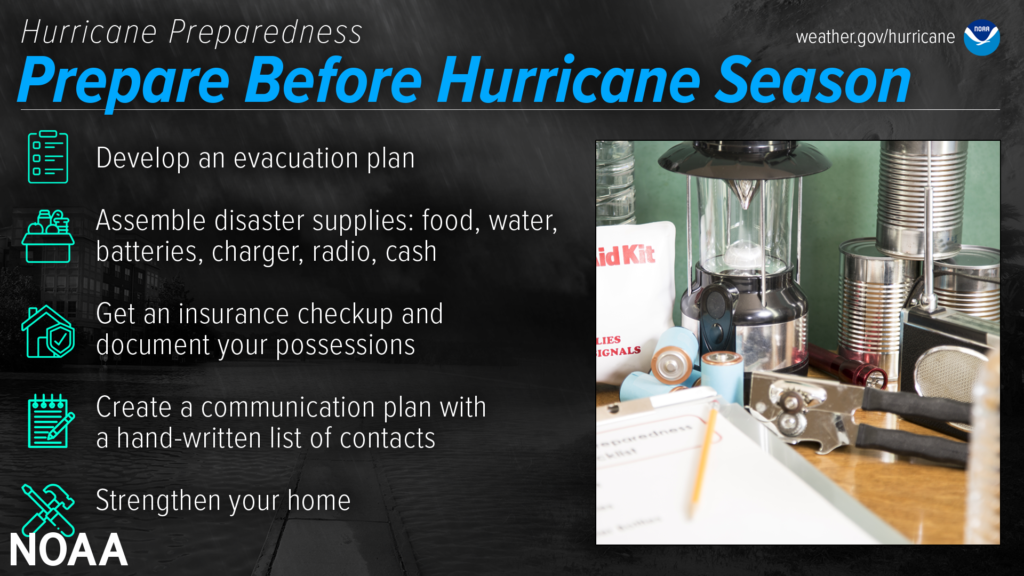
Develop an evacuation plan
If you are at risk from hurricane impacts, you need an evacuation plan. Now is the time to begin planning where you would go and how you would get there. You do not need to travel hundreds of miles. Your destination could be a friend or relative who lives in a well built home outside flood prone areas. Plan several routes. Be sure to account for your pets.

If you don’t have a vehicle, check with local officials to see what transportation options they may have available.

Assemble disaster supplies
Whether you’re evacuating or sheltering-in-place, you’re going to need supplies not just to get through the storm but for the potentially lengthy and unpleasant aftermath. Have enough non-perishable food, water and medicine to last each person in your family a minimum of 3 days (store a longer than 3-day supply of water, if possible). Electricity and water could be out for weeks. You’ll need extra cash, a battery-powered radio and flashlights. You may need a portable crank or solar-powered USB charger for your cell phones. And lastly, don’t forget your pets!

Get an insurance checkup & document your possessions
Call your insurance company or agent and ask for an insurance check-up to make sure you have enough insurance to repair or even replace your home and/or belongings. Remember, home and renters insurance doesn’t cover flooding, so you’ll need a separate policy for it. Flood insurance is available through your company, agent, or the National Flood Insurance Program at floodsmart.gov. Act now, as flood insurance requires a 30-day waiting period.

Take the time before hurricane season begins to document your possessions: photos, serial numbers, or anything else that you may need to provide your insurance company when filing a claim.

Create a communication plan
Take the time now to write down your hurricane plan, and share it with your family. Determine family meeting places, and make sure to include an out-of-town location in case of evacuation. Write down on paper a list of emergency contacts, and make sure to include utilities and other critical services — remember, the internet may not be accessible during or after a storm.

Strengthen Your Home
Now is the time to improve your home’s ability to withstand hurricane impacts. Trim trees. Install storm shutters, accordion shutters, and/or impact glass. Seal outside wall openings. Remember, the garage door is the most vulnerable part of the home, so it must be able to withstand hurricane-force winds. Many retrofits are not as costly or time consuming as you may think. If you’re a renter, work with your landlord now to prepare for a storm.

And remember – now is the time to purchase the proper plywood, steel or aluminum panels to have on hand if you need to board up the windows and doors ahead of an approaching storm.

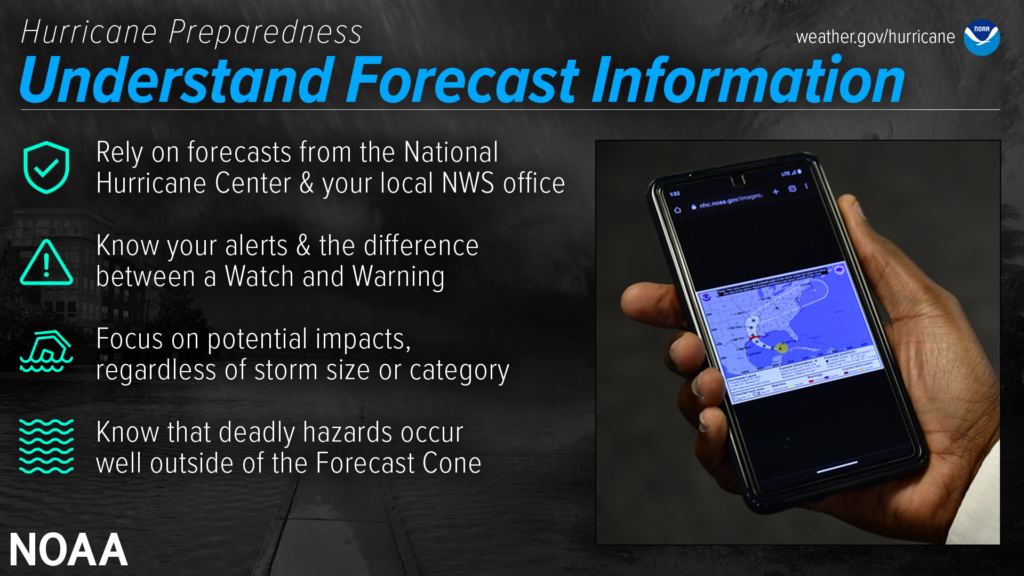
  • National Weather Service forecast products can tell you a lot about what is expected to happen with a storm, including the storm’s paths, rainfall amounts, wind speeds, and more. There is a lot of information available days ahead of a storm, and it is important to understand what it means.Have trusted sources for storm information
    Rely on official forecasts and well-established media partners in the Weather Enterprise. Be cautious of sensational headlines and instead look for reliable sources to determine a storm’s potential impacts.
    Use the official National Hurricane Center Forecast — their hurricane specialists access a variety of data (models, aircraft, satellite) to make the most accurate forecasts possible. Meteorologists at local NWS offices understand which locations in your area are most vulnerable to storm surge, flooding, and wind.
    Always check to make sure you have the latest forecast information.
    Make sure to have Wireless Emergency Alerts enabled on your phone to receive Warnings.Know your alerts & the difference between a Watch & Warning
    In general, a Watch means impacts are possible; a Warning means impacts are expected or happening. Different hazards and alerts require different responses:

    • Hurricane Watch means hurricane conditions are possible somewhere within the watch area, with tropical-storm-force winds beginning within the next 48 hours. Prepare by boarding up windows and moving loose items indoors, and make sure your emergency kit is ready. A Hurricane Warning means hurricane conditions  are expected somewhere within the warning area, with tropical-storm-force winds beginning within 36 hours. Seek shelter in a sturdy structure or evacuate if ordered.
    • Tropical Storm Watch means tropical storm conditions are possible within the next 48 hours, a Tropical Storm Warning means they are expected somewhere within the warning area. Remember, a tropical system does not have to reach hurricane strength to be deadly.
    • Storm Surge Watch means the possibility of life-threatening inundation generally within 48 hours, and a Storm Surge Warning means the danger of life-threatening inundation generally within 36 hours. In either case, please promptly follow evacuation and other instructions from local officials.
    • An Extreme Wind Warning means extreme hurricane winds (115 mph+) are imminent or happening: take immediate shelter in an interior portion of a well-built structure.
    • Flash Flood Warning means dangerous flash flooding is expected: move to higher ground, and never walk or drive through floodwater. A Flash Flood Emergency is issued for exceedingly rare situations when a severe threat to human life and catastrophic damage is happening or about to happen — do NOT attempt to travel unless you are under an evacuation order or your life is imminently at risk.
    • Flood Watch means flooding is possible: stay tuned to trusted news sources and be ready to seek higher ground. A Flood Warning means flooding is happening or about to happen: move to higher ground immediately.
    • Tornado Watch means a tornado is possible: know your safe place and be ready to act quickly if a Warning is issued. A Tornado Warning means a tornado is happening or about to happen – immediately seek shelter in your safe place!

    Focus on potential impacts regardless of storm size or category
    Do not focus on a specific storm category; all hurricanes and tropical storms can bring life-threatening storm surge, inland flooding, and damaging winds. The storm’s scale only tells you about the strongest winds near the center of the storm and does not tell you about potentially life-threatening flooding from storm surge or rain. Remain vigilant even if the winds  have weakened  and the storm becomes a  lower category or tropical storm — rainfall and storm surge impacts often continue.

    Deadly hazards occur well outside of the cone
    Impacts can be felt far from the storm’s center, even well inland and outside the Forecast Cone. Remember: the storm itself can stretch well beyond the Forecast Cone, and so can the impacts.

    The National Hurricane Center Forecast Cone shows the probable forecast track of the center of the storm. This means that the storm’s center will probably travel somewhere within the cone’s boundaries. (Historically, the storm’s center has remained within the forecasted cone roughly two-thirds of the time.) The cone does NOT represent the size of the storm in any way.

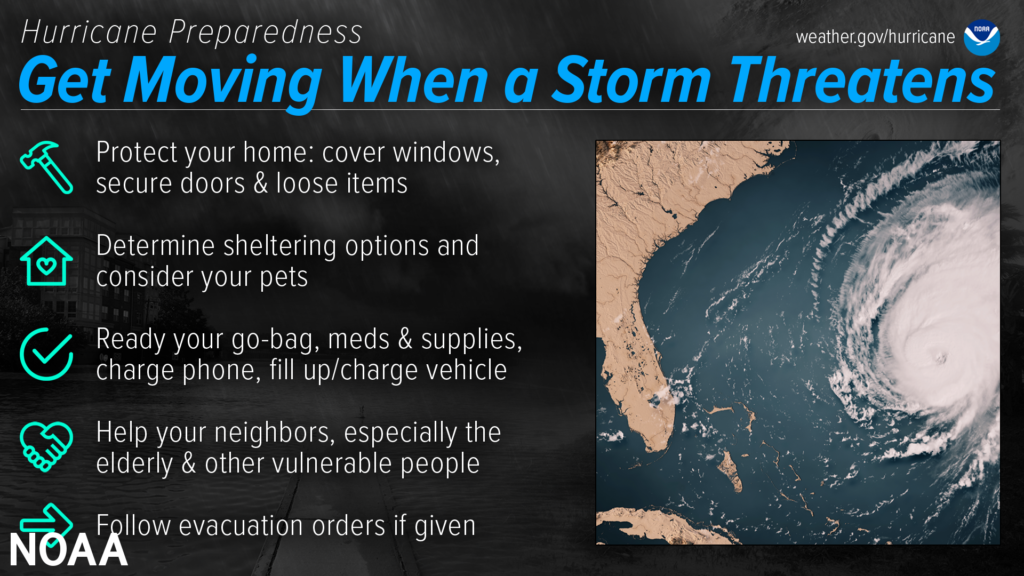
  • When a storm is forecast to impact your area, take action immediately to be ready. Ideally, longer-term preparedness actions such as having disaster supplies and an evacuation plan will have already been done before hurricane season, when the stores are stocked and time is on your side. When a storm threatens, there’s a lot more to do.Protect your home
    While longer-term home improvement needs to be done well ahead of time, when a storm threatens there are short-term actions to help protect your property. Board up windows, secure loose outdoor items, and secure all exterior doors. Move your vehicle to a safe location if you’re not using it to evacuate. If you are evacuating, unplug electrical equipment such as radios, televisions and small appliances (freezers and refrigerators also need to be unplugged if there is a risk of flooding). If you are instructed to do so, shut off water, gas and electricity before leaving.

    Determine sheltering options & consider your pets
    Check with local officials to find out what shelter spaces are available. If you have pets, find a place where they can stay — most public shelters only allow service animals. In general, have multiple sheltering options, including distant ones such as a friend’s home outside of the impact area, or a motel. Depending on the circumstances, your home may need to be your shelter — make sure it is prepared and that you know the safest places inside.

    Ready your go-bag, meds & supplies, charge phone, fill up/charge vehicle
    Have a go bag ready to take things with you if you need to leave in a hurry. In addition to basic survival needs, don’t forget other supplies such as chargers and hygiene products. Plan to have enough for at least three days, and don’t forget about your pets. While preparing these basic needs, don’t forget to keep your phone charged, and make sure to fill up/charge your vehicle as well.
    Your go-bag should also contain important personal and property documents, including your written communication plan.

    Help your neighbors, especially the elderly & other vulnerable people
    Many people rely on their neighbors before and after a disaster, and there are many ways you can help them. Help them prepare for a storm, and help them evacuate if needed. Share the latest forecast information with your community so that they know what to expect.

    Follow evacuation orders if given
    Always follow evacuation orders from local authorities — don’t wait for a hurricane to intensify before deciding to follow the order. You want to leave early enough to avoid being trapped by severe weather. If time allows, unplug electrical equipment, leave a note detailing your whereabouts, and check to see if any neighbors need a ride.

During a storm, whether you’ve evacuated or are sheltering in place, know what to expect from the hazards you may face. Remain vigilant, stay up-to-date with the latest forecasts and alerts, and continue to listen to local officials.

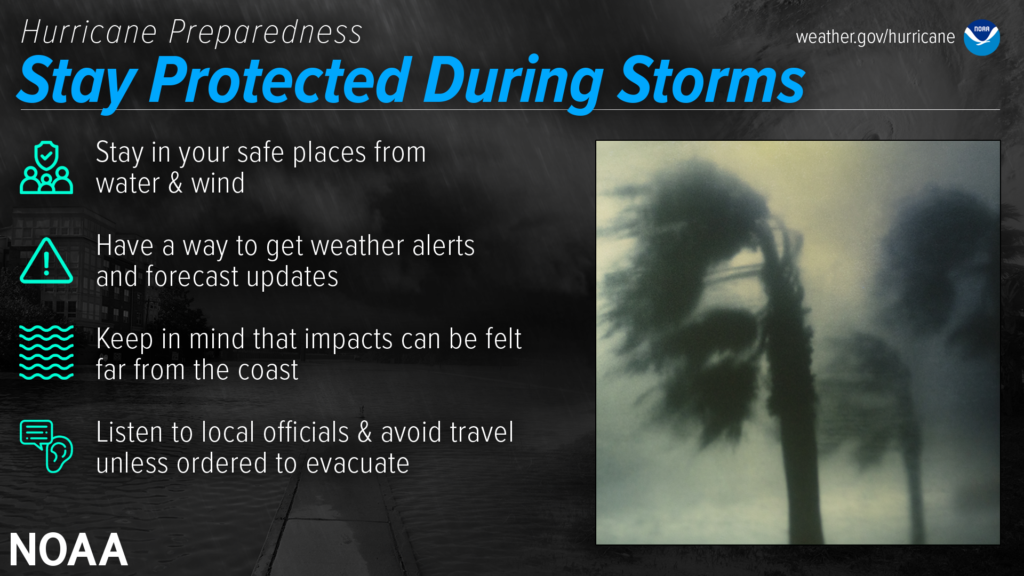
Stay in your safe places from water & wind
Always keep a safe distance from flooded and damaged areas. When you’re at risk from storm surge or flooding, it’s important to get to high ground away from bodies of water and any flood-prone areas. Evacuate if told to do so. Never drive through floodwaters or compromised bridges. Always pay attention to barriers and signage.

If your house becomes flooded and you’re still there, get higher in your house to escape the flood waters. If the highest floor of your home becomes dangerous, get on the roof and call 911.

Though rain and storm surge cause more direct deaths, wind can also be very destructive and deadly in hurricanes. Winds can be stronger higher above ground level. This can put high-rise buildings at a greater risk. To protect yourself from wind, the best thing you can do is put as many walls as possible between you and the outside. An interior room without windows is the safest place you can be in a building. You can cover yourself with a mattress and wear a helmet for added protection. If your area is under an Extreme Wind Warning, take shelter immediately. Make sure to stay sheltered until the threat is gone.

Have a way to get weather alerts and forecast updates
Make sure to have Wireless Emergency Alerts enabled on your phone to receive Warnings and other alerts. Always pay attention to the latest forecast as conditions can change quickly and storms can rapidly intensify from a tropical storm to a major hurricane. Even small changes in the storm’s track can make a big difference.

Keep in mind that impacts can be felt far from the coast
Remain vigilant even if you’re far from the most damaging winds. Inland flooding can be felt hundreds of miles from the coast. Never drive through floodwaters! A car can be swept away with only a foot of water, and there’s no way to know if the road itself has collapsed when hidden by water.

Listen to local officials & avoid travel unless ordered to evacuate
Local officials can provide you with up-to-date information as the situation changes in your area. Evacuation orders may still be given at this late stage — leave immediately if ordered! Follow recommended evacuation routes — do not take shortcuts, as they may be blocked. Be alert for road hazards such as washed-out roads or bridges and downed power lines. Never drive through floodwaters.

Dangers remain even after the skies turn blue. This is NOT the time to put your guard down. Nearly half of hurricane fatalities occur after the storm.

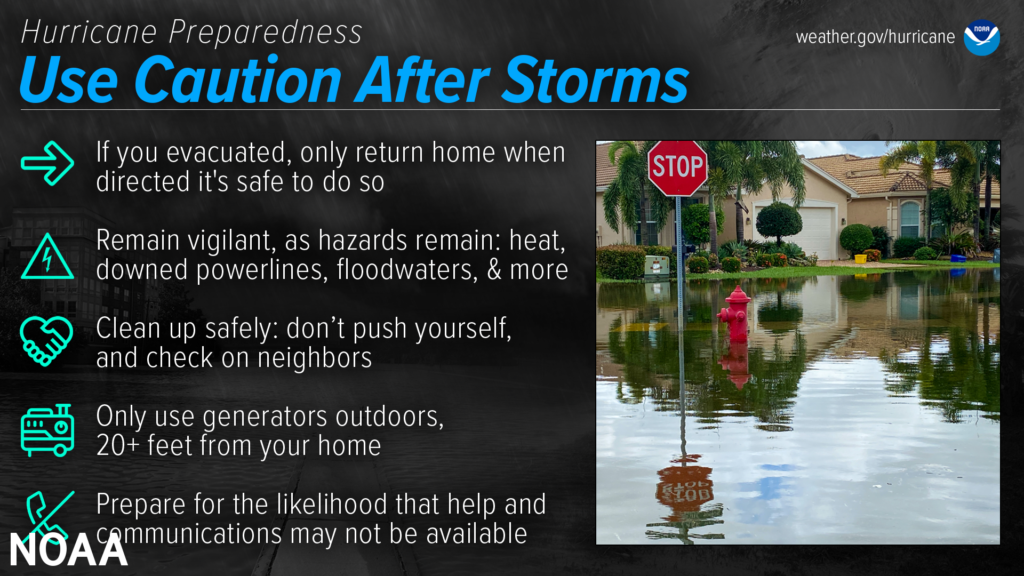
If you evacuated, only return home only when told to do so
Return home ONLY when officials say it is safe. ​​Check with local officials both where you’re staying and back home before you travel.

Remain vigilant, as hazards remain

  • Be careful near damaged buildings. Walk carefully around the outside of your home to check for loose power lines, gas leaks, and structural damage, including dangerous debris such as nails or glass. Leave your home if there’s shifting or unusual noises. If you smell gas, get outdoors immediately and call 911.
  • Avoid electric shock by staying far away from downed power lines. Stay alert: they may be on the ground, hidden in water, or dangling overhead.
  • Flooded roads are very dangerous. It can be difficult to judge how deep or swift the water is moving — just 12 inches of water can float a car. Never drive through flooded roads, even if you are seeking supplies or trying to check on someone. Floods can also compromise bridges and roads. Avoid flooded river areas, as they can continue to rise long after a storm passes.
    Don’t walk in floodwaters, either — they can contain harmful bacteria, chemicals, sharp objects, and dangerous animals.

Clean up safely: don’t push yourself, and check on neighbors
Stay hydrated, wear light, loose-fitting clothing, and clean up during cooler hours if possible. Don’t push yourself: straining the body can lead to heart attacks, heat strokes, and other serious issues. Perform cleanups slowly, taking lots of breaks. Make sure to check on your elderly neighbors and other vulnerable people in your community. If your area is under a Heat Advisory, use extreme caution and consider cleaning up when the heat has subsided.

Practice portable generator safety
Be very careful with portable generators: carbon monoxide poisoning is one of the leading causes of death in areas dealing with power outages. Never use a generator inside your home or garage, even if doors and windows are open. Only use generators outside, more than 20 feet away from your home, doors, and windows.

Help and communications may not be readily available
After a hurricane, emergency responders may be overwhelmed. Be aware that it could take hours or days for them to reach your area. Communication systems may be impacted, and making phone or video calls might be difficult due to network congestion. If possible, communicate via text, email, or social media.

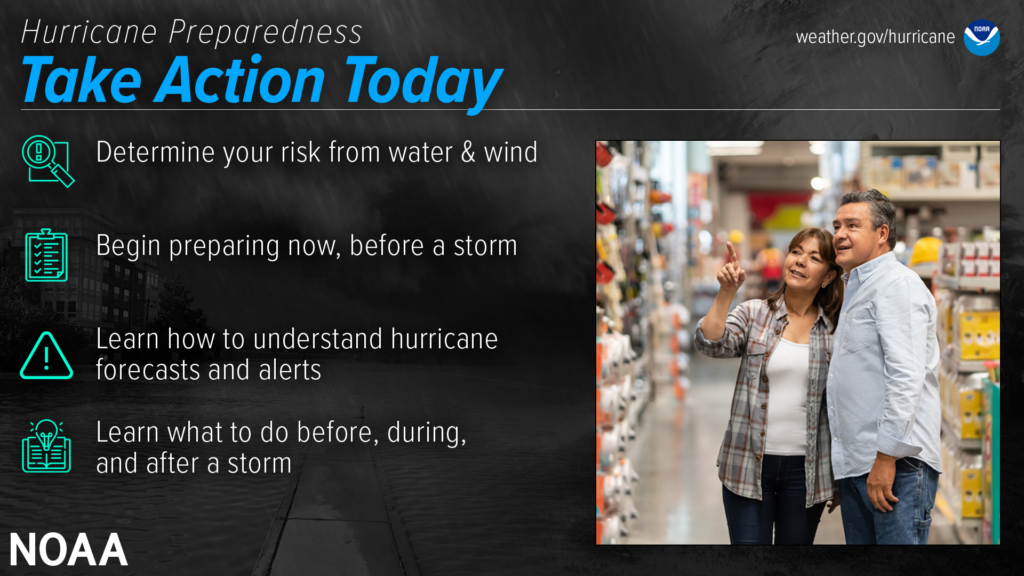
Are you ready for hurricane season? Take action TODAY to be better prepared for when the worst happens. Understand your risk from hurricanes, and begin pre-season preparations now. Make sure you understand how to interpret forecasts and alerts, and know what to do beforeduring, and after a storm. Even if you are already well-prepared and knowledgeable, there may be additional things you could do or learn to be even more prepared.

2025 Hurricane Preparedness2026-01-05T23:37:08+00:00

Notice of Public Hearing on Tax Rate: September 9, 2025

A public hearing on the proposed tax rate for South Shore Harbour MUD No. 7 will be held on Tuesday, September 9, 2025, at 11:30 AM at 2500 South Shore Blvd, League City, Texas 77573.

The proposed rate would increase taxes on the average residence homestead by 6.04%. For more details, including a full comparison with last year’s rates and voter rights, please refer to the official notice PDF.

Notice of Public Hearing on Tax Rate: September 9, 20252026-01-05T23:30:35+00:00

Notice of Public Hearing on Tax Rate – September 10, 2024

The South Shore Harbour MUD No. 7 will hold a public hearing on a proposed tax rate for the tax year 2024 on September 10, 2024, at 11:30 AM at 2500 South Shore Blvd., League City, Texas. The proposed tax rate may affect your individual taxes depending on changes in the taxable value of your property compared to other properties in the district.

Key Changes in Tax Rates

  • Proposed Tax Rate: The proposed tax rate for 2024 is $0.390000 per $100 of value, a decrease from last year’s rate of $0.411200 per $100.
  • Percentage Change: This represents a 5.16% decrease in the tax rate.
  • Impact on Average Residence: The average residence homestead taxable value has increased from $395,007 last year to $414,476 this year. As a result, the tax on an average residence homestead would decrease slightly from $1,624.26 to $1,616.46, a reduction of $7.80 or 0.48%.

Your Rights as a Taxpayer

If the district adopts a combined tax rate that increases taxes on the average residence homestead by more than eight percent, taxpayers have the right to petition for an election to reduce the tax rate. This is part of the ongoing effort by the Texas Legislature to limit the rate of growth of property taxes in the state.

For more details and to understand how these changes may impact your taxes, please refer to the official document or visit Texas.gov/PropertyTaxes to access your local property tax database.

Attend the Public Hearing

Make your voice heard! Attend the public hearing on September 10, 2024, to learn more and provide your input on the proposed tax rate changes.

Notice of Public Hearing on Tax Rate – September 10, 20242026-01-05T23:48:11+00:00

Austin Lake Bulkhead Update

Dear South Shore Harbour MUD7 Taxpayer and Residents,

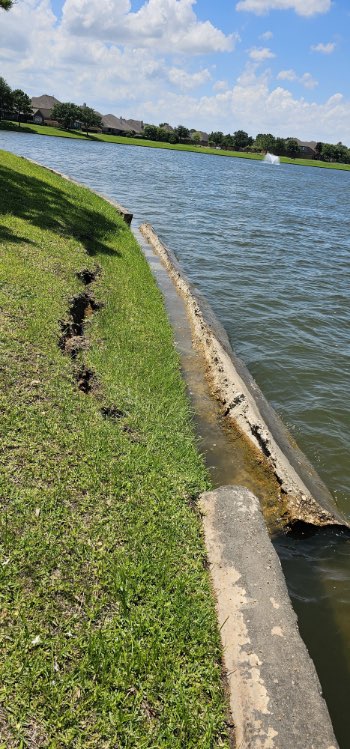
The MUD7 Board of Directors has selected Shirley and Sons to complete the installation of a new bulkhead around the perimeter of Austin Lake according to the recommendations of our District Engineer. The Board of Directors is working with the District Engineer to address some of the erosion concerns around the lake. Also, an arborist will be used to trim or remove any trees as required to complete the project.

The details of this project can be found on this website under the RESOURCES/PROJECTS/AUSTIN LAKE tabs or at this link: https://www.sshmud7.org/projects/#austinlake

The district engineer is in the process of setting up the preconstruction meeting with the contractor and finalizing the contract which the board expects to sign at the next monthly meeting. After this meeting we will have a better understanding of when the project will start and how long it will take and provide some updates via our website or email blast.

To reiterate the points from the previous letter sent out with the HOA, the paths around Austin Lake will be impacted using heavy equipment and movement of machinery and materials, including increased noise and uneven ground in the area. Some path areas may be closed for safety purposes. The District, via our engineer, will monitor and inspect the project daily during active construction.

The Board very much understands that the community may have concerns and that there will be an inconvenience to the residents during construction. We believe the result will be worth the temporary inconvenience in order to provide a lasting bulkhead that is both aesthetically pleasing and well-constructed. The Board wishes to thank the community in advance for its patience during the construction process and asks that if you have any questions, to please contact the District’s office at board@sshmud7.org.

Thank you and warm regards,

Board of Directors South Shore Harbour MUD No. 7

Austin Lake Bulkhead Update2026-01-05T23:28:52+00:00

No Current Updates

There are no current updates. Please check back later for any updates.


No Current Updates2026-01-05T23:37:37+00:00

New Tax Assessor / Collector

Dear South Shore Harbour MUD No. 7 taxpayers:

Please note that effective July 1, 2023, all District tax payments will be assessed and collected by the Galveston County Tax Assessor Collector’s Office. Please make note of the new Tax Assessor Collector’s contact information:

Galveston County Tax Assessor Collector
722 Moody Avenue, Galveston, Texas 77550
(409) 766-2260
1 (877) 766-2284 Toll Free

New Tax Assessor / Collector2026-01-05T23:36:50+00:00
Go to Top